A home EV charger installation in Marshland shouldn't involve guesswork, hidden extras, or tradespeople who don't show up on time. Our process is built around transparency: you know the price before we start, you know what we're doing while we're there, and you end the day with a legal Certificate of Compliance.
From the moment you get in touch to the moment you plug in for the first time, most Marshland homeowners are done within a week. We handle the assessment from photos in most cases — no wasted half-days waiting for a tradesperson to come and look at your garage.
First contact to charging at home — typically less than one week
The quote you accept is the price you pay. Nothing is left out of scope until the day — here's what every single installation includes, without exception:
If you're taking Option A, the charger hardware is part of your quote — whether that's an Evnex, Wallbox, Zappi, Tesla Wall Connector, or Smart EV Charger. We match the model to your vehicle and home before anything is ordered.
A brand-new circuit pulled from your consumer unit to the charger — correctly sized cable, all conduit and junction boxes where required, and a properly rated MCB added to your switchboard. No sharing with existing circuits.
The charger is fixed securely at the correct height, all internal wiring is terminated to manufacturer specification, and external cable entries are sealed. Outdoor and semi-exposed installations get full IP-rated weatherproofing.
Where Dynamic Load Balancing is part of the setup, we clip the CT clamp onto your mains feed at the switchboard, pair it with the charger unit, and set the correct load thresholds — so the charger automatically backs off when other appliances draw power.
Your charger is connected to your home WiFi, the manufacturer app is installed on your phone, and we configure an off-peak charging schedule suited to your electricity plan. You leave knowing exactly how to use every feature.
Every new electrical installation in New Zealand requires a CoC under the Electricity Act 1992 — including EV chargers. We issue one on completion for every job and send you a digital copy the same day. No CoC means the work is not legally compliant.
Quoting from photos works because we know exactly what to look for. Here are the four things we assess from your images — and why each one affects your price and installation plan:
We check your board's rated amperage, the available circuit positions, and whether the existing load leaves headroom for a 7.4kW charger. Most post-1990 Marshland homes pass without an upgrade — especially with DLB fitted. If yours doesn't, we'll say so upfront and price the upgrade into the quote.
How far the cable travels from switchboard to charger determines both the cable size needed and the material cost. We price to the actual measured run for your property — not a fixed allowance that might under- or over-quote you.
We identify the wall construction (timber frame, masonry, or cavity brick), assess the cable entry point, and confirm weatherproofing requirements. This tells us whether a standard mount works or whether additional fixings or sealing are needed for a code-compliant, tidy result.
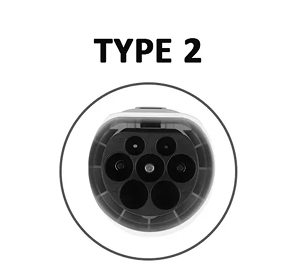
Your EV's connector type (Type 2 or Type 1), onboard AC charging capacity, and whether you have solar panels all influence which charger model we recommend. We verify compatibility before recommending anything, so the unit we quote is the right unit for your situation.
Here's how a standard Marshland home EV charger installation runs from arrival to handover. Actual timing varies with cable run length and switchboard complexity, but most jobs land in the 3–6 hour window.
The charger model we recommend depends on your vehicle, your switchboard, and whether you have solar. We go through this during the free assessment — but here's the short version:
The go-to choice for most Marshland households. A 7.4kW Type 2 unit with Dynamic Load Balancing handles every modern EV, sidesteps switchboard upgrades in most homes, and lets you schedule your charge to run during the cheapest overnight electricity window.
Works with: Tesla, BYD, Hyundai, Kia, MG, BMW, Audi, VW, Volvo, Mercedes, Polestar, and all new-market NZ EVs.
Learn more about Type 2Needed for older Japanese-market EVs with a J1772 inlet. A proper Level 2 Type 1 installation charges three to four times faster than a standard wall socket — a meaningful practical upgrade for Leaf and PHEV owners who rely on their car daily.
Suits: Nissan Leaf (all generations), Mitsubishi Outlander PHEV, Nissan e-NV200, and other J1772 vehicles.
Learn more about Type 1Already generating solar? A solar-integrated charger — such as the Zappi, Evnex E2 Plus, or Smart EV Charger with ECO mode — redirects your excess generation to your EV before it hits the grid, cutting your effective charging cost to near zero on good days.
Ideal for: Homes with existing solar panels looking to maximise self-consumption and lower running costs.
Learn more about Solar & EVIt's the first thing most people ask. For the majority of Marshland homes: no. If yours does need one, you'll know exactly what it costs before you book — we don't spring that on you during the job.
Homes built from the mid-1990s onwards generally have consumer units with enough rated capacity to support a 7.4kW charger, and Dynamic Load Balancing removes most of the remaining risk. DLB watches your live household draw in real time and dials back the charger automatically when large appliances run — keeping your total load safely within the board's limits.
A genuine upgrade is needed in a minority of situations — mainly older fuse-board properties or homes already running close to their mains limit. When one is required, it's costed into your quote and carried out on installation day alongside the charger, so you're not booking two separate jobs.
Switchboard Upgrade InfoThe questions we hear from Marshland homeowners most often before they book, answered honestly.
We install residential EV chargers across Christchurch, Banks Peninsula, and North Canterbury. Select a letter to find your suburb.